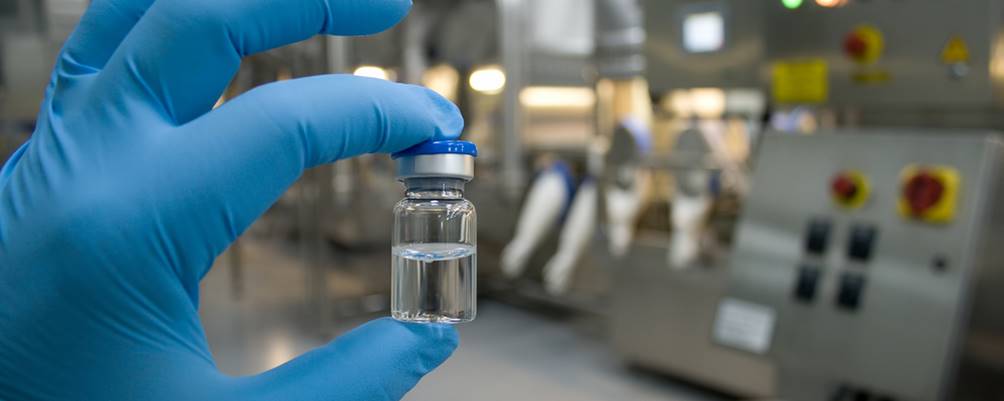
Meeting visual inspection in pharmaceutical environments isn’t just about defect detection anymore. It’s about aligning every inspection step with FDA visual inspection requirements, maintaining data accuracy, and ensuring full audit readiness. And it starts with how you structure and automate your inspection systems.
Inspection Errors Are Now a Data Compliance Risk
Historically, visual checks focused on identifying visible defects in packaging, labeling, or product integrity. But that’s no longer enough. Errors in visual inspection today raise questions about data integrity in pharma manufacturing, not just about product quality.
This is especially critical in aseptic manufacturing, where inspection records must be stored, timestamped, and retrievable in digital audit trails. Any inconsistencywhether from human oversight or incomplete logscan compromise 21 CFR Part 11 compliance.
Why Manual Systems Are No Longer Sufficient
Legacy inspection processes relying on paper records, basic sensors, or operator judgment are outpaced by current regulatory demands. They fall short in:
- Capturing real-time inspection data
- Preventing data tampering
- Maintaining consistent thresholds across batches
Building on the point above, regulators now expect inspection systems to be secure, validated, and auditable at every level. This is where AI-based inspection systems deliver unmatched reliability.
AI-Driven Accuracy with Digital Traceability
Automated inspection systems are not just about speed they’re about traceable intelligence. With AI-based inspection systems, pharmaceutical manufacturers gain:
- Automated logging of every inspection event
- Enforced consistency of criteria across all SKUs
- Secure audit trails aligned with regulatory reporting
As discussed earlier, traditional human inspection introduces subjectivity. AI models, once trained, apply the same standards across every unit with no drift, even over long production runs.
Aligning Visual Inspection with 21 CFR Part 11
To meet 21 CFR Part 11 compliance, inspection systems must:
- Record operator actions and system changes
- Require secure login and access control
- Prevent unauthorized data edits
- Support electronic signatures
Modern platforms handling visual inspection in pharmaceutical facilities now integrate all these features as part of their inspection modules, reducing both technical and regulatory risks.
Packaging Inspection Isn’t Just About Labels
Pharmaceutical packaging inspection includes tamper verification, seal integrity, fill levels, and text validation all of which are now checked by automated visual checks. This level of scrutiny isn’t achievable through manual review alone.
And when integrated into end-of-line automation, these checks reduce human error, improve throughput, and flag non-conformance before shipping protecting both patients and brand reputation.
Key Capabilities of Compliance-Ready Inspection Systems
A growing number of pharma manufacturers are adopting systems with:
- OCR/OCV capabilities for label and batch code validation
- AI-driven anomaly detection for blister packs and vials
- Cloud-based archiving with immutable audit trails
This shift isn’t optional anymore. It’s essential to avoid costly deviations, warning letters, or product recalls.
Outcome: Reduced Risk, Greater Operational Confidence
By embedding compliance into the inspection process, pharmaceutical teams reduce the need for redundant manual checks and post-batch reviews. As mentioned previously, automated systems not only meet inspection goals but also exceed documentation standards set by regulatory bodies.
The result: faster batch release, stronger process validation, and higher confidence during audits.

